Guide
Island turnovers: why logistics is the service
On an island, the hard part of running a rental is not the listing. It is the drive.
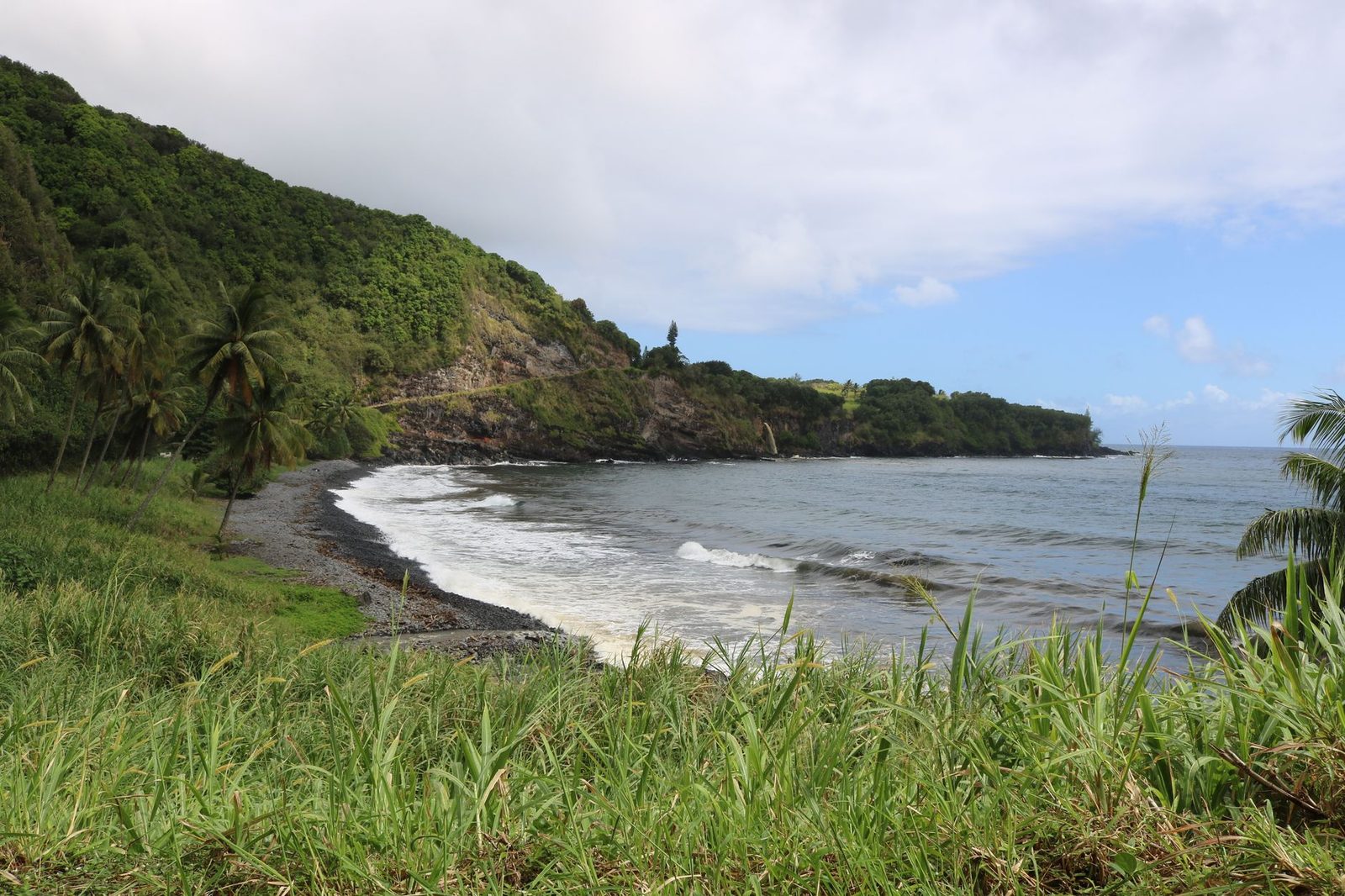
The distance is the business
Every Hawaiʻi rental runs on a chain of short journeys: a cleaner between two properties, a linen run, somebody with a spare part, a maintenance visit that has to happen between a 10am checkout and a 3pm check-in. On the mainland those journeys are cheap. Here they are the operation.
This is why the management companies that survive in Hawaiʻi tend to be geographically tight. In our verified set, the companies that name a small radius — one town, one resort, one coast — are the ones with the longest published track records: a Kīhei brokerage in business since 1996 across three adjacent markets, a Kailua-Kona firm founded in 1976, a Poʻipū manager that keeps its entire portfolio inside one town.
Four questions about logistics
Where is the linen?
On-site laundry, a central plant, or a contracted service — each has a different failure mode. The question to ask is what happens when a machine dies on a Saturday in July.
How far is the nearest spare part?
An aircon capacitor or a specific tap cartridge can be a same-day fix or a two-week wait depending on the island and the supplier. Managers who have been somewhere a long time keep stock. Ask if they do.
What is the same-day turnover ceiling?
Ask how many properties one crew turns on a peak Saturday, and where yours sits in that order. Being last in the rotation is fine if you know it; it is a problem if you discover it from a guest review.
Who checks the property when it is empty?
Empty is when the damage happens — humidity, insects, a slow leak, a fridge left running with nothing in it. Weekly inspections appear on several companies' published service lists in our dataset; where they do, we quote it, because it is a real difference.
What you can automate and what you cannot
Scheduling, reminders, checklists and guest messages can all run themselves once. Driving cannot. The right split for most small island portfolios is a software layer for the guest-facing work and hired hands for everything physical — 24/7 guest replies covers the first half of that; the shortlists on this site cover the second.
The turnover clock, hour by hour
A same-day turnover in Hawaiʻi runs on a clock that is tighter than most owners expect, and every step of it is a driving problem before it is a cleaning problem.
- Checkout. The single most useful thing a manager can do is know, in real time, whether the guest has actually left. Late departures cascade through the rest of the day.
- Travel. Between properties, in traffic that is genuinely bad on parts of Oʻahu, Maui and the Kapaʻa corridor on Kauaʻi. This is the step that is invisible on a service list.
- Clean and linen swap. Faster with an on-site laundry, slower with a central plant, and entirely dependent on whether the linen actually arrived.
- Inspection. Somebody looking at the property with fresh eyes, ideally not the person who just cleaned it.
- Fix. The small failures — a blown bulb, a broken blind, a dead remote — that need a part within two hours or become a guest complaint.
- Check-in. Codes, parking, lift access, and whatever the building requires.
Ask a prospective manager to walk you through those six steps for your property specifically. The detail in the answer is the product.
What breaks, and how far away the fix is
Island supply chains are the reason experienced managers keep stock. The recurring failures in Hawaiʻi rentals are predictable: air-conditioning, refrigerator seals, washer and dryer components, screen doors, lock batteries, ceiling fans, shower cartridges, and anything on a lānai that has spent a year in salt air. On a well-supplied island market that is a same-day fix from a van. In a rural district it can be a mainland order.
The question to ask is not “do you do maintenance” — everyone says yes — but “what do you carry in the van, and what has to be ordered?”
Cleaners are the business, and they are scarce
Every experienced operator in the islands will tell you the same thing: the constraint is people. A manager's real capacity is the number of turnovers their crews can absorb on a peak Saturday, and their real risk is a cleaner leaving. Two questions follow. How many crews cover your market, and what happens if one is out? And is your property in a rotation where it can be moved earlier when a flight lands early?
What this means for your contract
Everything above argues for the same handful of contractual details: a named local contact, a stated inspection frequency, an agreed threshold for acting without asking you, and clarity about what is billed on top of the fee when the van has to come twice. Those four points are worth more than a percentage point on the rate, and they are the ones that quietly separate a good year from an exhausting one.
Where to go next
If you are at the shortlist stage, start from your own market rather than from a statewide list: all 38 Hawaiʻi markets are broken out town by town, and each page lists only the companies whose own websites name that market. If you are earlier than that and still deciding whether to hire at all, the Hawaiʻi ranking sets out what the market looks like from the top, and how we rank explains what we are actually measuring.
Everything on this site is read from primary sources and dated. If a fact here has gone stale or you can show that we have it wrong, write to us — corrections that arrive with a source attached are handled ahead of everything else.